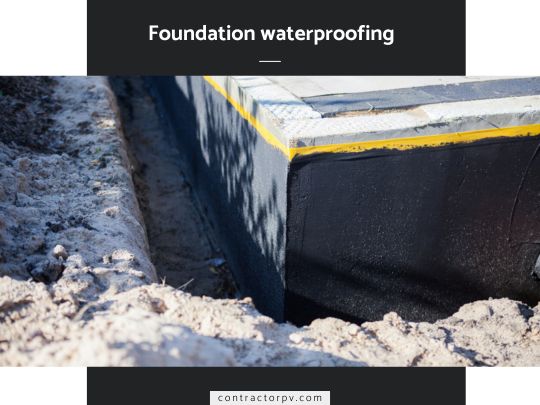
Foundation waterproofing. In construction, the most critical elements are often those you never see. While design and finishes capture the eye, the long-term health, safety, and value of any structure depend fundamentally on what lies beneath the surface: a properly waterproofed foundation. Neglecting this essential step is not a mere oversight; it is a compromise that can lead to catastrophic and costly consequences.
Water is the single most destructive force to a building’s integrity. Without a robust waterproofing system, your foundation is vulnerable to a relentless attack from groundwater, rainfall, and soil moisture. This isn’t just about a puddle in the basement; it’s about the systemic damage that permeates the entire structure.
The Critical Consequences of Failure:
1. Structural Compromise: Water exerts immense hydrostatic pressure against foundation walls. Over time, this pressure can lead to cracking, shifting, and even failure of the concrete. Freeze-thaw cycles in colder climates exacerbate this, causing cracks to widen and jeopardizing the building’s structural stability.
2. Toxic Mold and Mildew: A damp foundation is the perfect breeding ground for mold and mildew. These fungi proliferate unseen within wall cavities, releasing spores into the indoor air. This poses severe health risks to occupants, including respiratory problems, allergic reactions, and chronic illnesses. Remediation is invasive, expensive, and often only treats the symptom, not the root cause.
3. Damage to Finishes and Belongings: Moisture wicks upward through concrete in a process called capillary action, ruining drywall, flooring, cabinetry, and insulation. It can destroy stored belongings, create persistent musty odors, and render valuable living or storage space unusable.
4. Decreased Property Value: A history of water infiltration or a damp basement is a major red flag for potential buyers and professional home inspectors. It can drastically reduce your property’s market value, scare away buyers, or lead to costly demands for repair during a sale.
Beyond “Damp-Proofing”: The Need for a True Waterproofing System
It’s crucial to distinguish between damp-proofing and waterproofing. Damp-proofing is a basic barrier meant to resist soil moisture but can fail under any significant hydrostatic pressure. A true waterproofing system, however, is a multi-layered defense designed to hold back liquid water itself. This system typically includes:
A Membrane Barrier: A durable, seamless sheet-applied or liquid-applied membrane that coats the foundation walls.
Protection Board: A panel installed over the membrane to shield it from backfill damage.
Proper Drainage: A foundation drain (or “weeping tile”) system at the footing to collect and channel water away from the structure.
Foundation waterproofing is an Investment, not an expense
Foundation waterproofing is one of the most cost-effective investments you can make in a construction project. The cost of installing a comprehensive system during initial construction is a fraction of the expense required to excavate, diagnose, and repair a failed foundation years later. It is the ultimate insurance policy for your property, providing peace of mind and protecting your investment for decades to come.
In conclusion, a building is only as strong as its foundation, and a foundation is only as durable as its waterproofing. It is not a place to cut corners. By prioritizing a high-quality, professionally installed waterproofing system from the start, you are not just building a structure—you are safeguarding a legacy.
Looking to build a new project? We can help
We are a specialized construction and architecture firm located in Puerto Vallarta, Mexico.
Read more: